Clinical
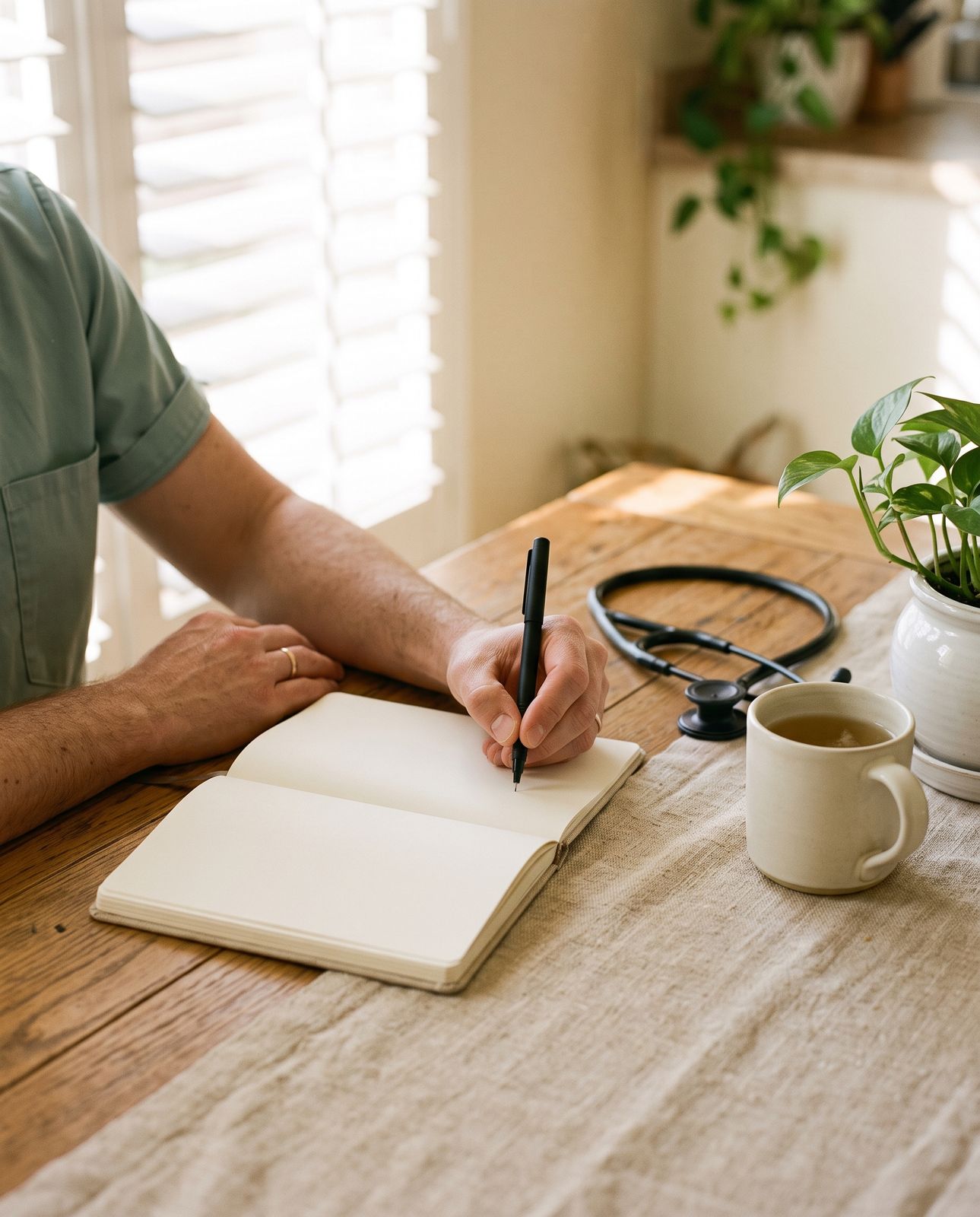
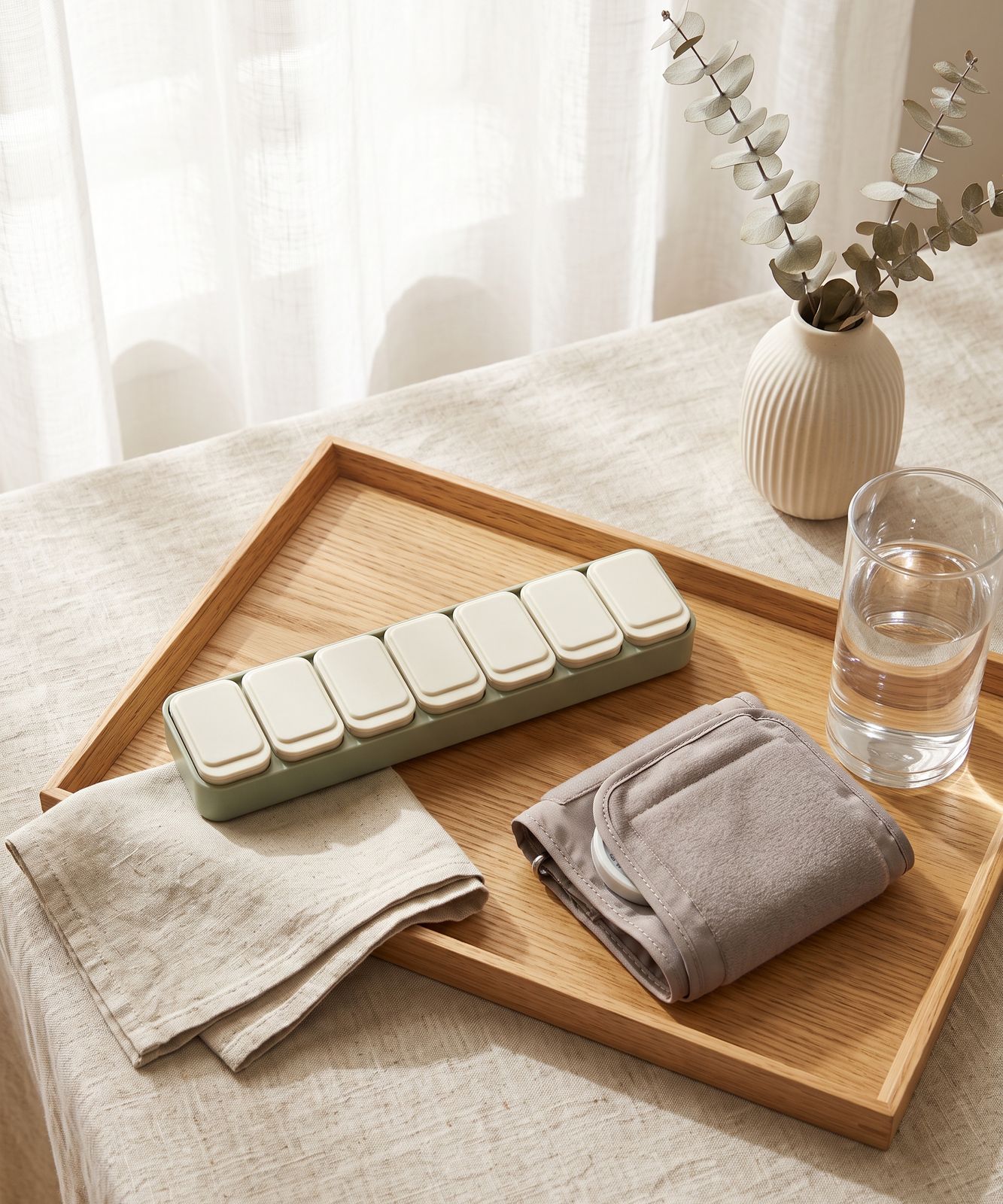
The home is led by a Doctor of Nursing Practice with a Registered Nurse as back-up operator. Active health monitoring means someone with clinical training notices the small things: a change in appetite, a new cough, a resident who is quieter than usual. Medications are set up, given, and reviewed with clinical precision, and questions for outside providers get asked by a nurse who knows what to ask.
Emotional
Behavior support is individualized and grounded in Positive Behavior Support. In practice that means we look for what a behavior is asking for, then change the environment or the routine before anything else. De-escalation is slow, quiet, and rehearsed by the team. Trauma-informed communication means we explain before we act, offer choices, and never use surprise or pressure to get compliance.
Life Skills
Meal prep, household tasks, personal care, and getting around town are taught at each resident's pace. One person may be learning to run the washing machine. Another may be learning to ride the bus alone. The skill is broken into steps, the resident does the steps they can, and staff do only what is left. Progress is the goal, not speed.
Community
Community participation is planned, not left to chance. We ask each resident what they want to be part of in Spring Hill, whether that is a recreation program, a cultural event, a congregation, or a volunteer shift. Then it goes on the schedule with transportation and support arranged. Belonging is treated as a health outcome, because isolation shows up in the body.
Holistic
Nutrition, physical activity, rest, and preventive care are part of the daily rhythm. Meals are cooked at home from a dietitian-approved menu. Movement is on the calendar, from walks to gardening to the pool at the Y. Sleep routines are consistent and quiet time is protected. Structured environmental wellness practices keep the home calm, clean, and predictable.